History and Evolution of Games
History and Evolution of Games
As a cultural phenomenon, games have a long and rich history. As early as the 1970s, the rise of arcade games marked the initial development of the game industry. Games of this period were usually simple and easy to understand, and players experienced the game by inserting coins or tokens. Arcade games not only attracted a large number of players, but also laid the foundation for later home game consoles. Subsequently, the emergence of home entertainment systems, such as Nintendo’s FC game console, revolutionized the way people played games, allowing people to enjoy games at home.
With the advancement of technology, game design has gradually evolved. In the 1990s, the introduction of 3D graphics made the game world more vivid and the player’s sense of immersion enhanced. Representative works of this period, such as Final Fantasy VII and The Legend of Zelda: Ocarina of Time, not only brought visual shocks, but also promoted the development of narrative and character depth. After entering the 21st century, the popularity of the Internet has made online games in full swing, and the interactive experience between players has been greatly improved.
In the latest era, the rise of mobile games and virtual reality has brought new opportunities to the game industry. The popularity of smartphones has made it easy for people to access games anywhere, which not only enhances the accessibility of games but also greatly enriches the choices of players. In addition, the advancement of virtual reality technology provides an unprecedented immersive experience, allowing players to participate in games through head-mounted devices. Such evolution has not only changed the design of games and the experience of players, but also has a profound impact on culture and society.
Game Types and Styles
In recent years, the video game industry has experienced rapid development, and its types and styles have become more diverse. From traditional role-playing games to innovative hybrid types, players have a wider range of choices than ever before. Role-playing games (RPGs) usually allow players to play fictional characters, explore open worlds, complete tasks, and interact with other players. Such games are popular with young and adult players because they usually provide deep storylines and long-term gameplay.
On the other hand, first-person shooter (FPS) games allow players to experience tense combat scenes by putting them in the perspective of characters. These games are known for their fast pace and high competitiveness, and widely attract players who love action and challenges. For example, the “Call of Duty” and “Halo” series are classic representatives. These games not only focus on skills and reaction speed, but also often enhance elements of social interaction and teamwork.
Strategy games focus on mental strategy and planning, requiring players to develop reasonable tactics to win during the game. There are many sub-genres such as real-time strategy (RTS) and turn-based strategy (TBS), which are favored by many strategy enthusiasts for their unique mental challenges. Many family and casual players are also attracted by games such as the Civilization series that are both strategic and easy to play.
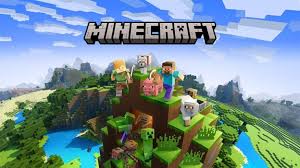
In addition to traditional types, some innovative game styles are gradually emerging. Mixed-type games such as survival adventure and role-playing can bring richer experiences and challenges to players. For example, Minecraft combines elements such as exploration, construction and survival strategy to attract a wide audience. Therefore, the diversity of the game industry is not only reflected in the genre, but also in the ever-changing player preferences and creative realizations.
Psychological and social impact of games
Video games are not only a form of entertainment, but also have a profound impact on mental health, social skills and personal development. With the advancement of technology, the form and content of games have become more diverse, and the impact on players’ psychological and social abilities has become increasingly complex. On the one hand, studies have shown that moderate gaming can help reduce stress, improve mood, and enhance cognitive abilities to some extent. In particular, games that are designed to be challenging can stimulate players’ creativity, problem-solving skills, and patience.
On the other hand, gaming can also have negative effects. For example, excessive gaming can lead to anxiety, depression, and social isolation. This not only affects the individual’s physical and mental health, but may also affect family and social relationships. Therefore, parents and educators should pay attention to the potential impact of gaming on young players and help them develop healthy gaming habits.
In terms of interpersonal communication, multiplayer games can effectively promote social interaction and the formation of communities. Players can connect with other players through cooperative missions and competitive modes. This interaction often enhances teamwork skills and also helps participants build friendships and support networks in the virtual world. Social network games are particularly good at allowing players to communicate in a relaxed environment and increase social trust with each other.
This social experience is not limited to the virtual world, but can be extended to real life. For example, many players are able to find like-minded friends when participating in offline activities, thereby improving their social skills. Therefore, the psychological and social impact of games is multifaceted, including both positive effects and potential negative effects, which have profound significance for the growth and development of players.
Future Game Trends
The future of the gaming industry is full of exciting possibilities and is expected to be deeply influenced by a number of emerging technologies. Among them, artificial intelligence (AI) will play a vital role. AI can not only improve the responsiveness of games, but also adjust the gaming experience by learning the behavioral habits of players to make it more personalized. As virtual characters become smarter, interactions with players will become more natural and real, making the entire gaming experience more fascinating.
In addition to artificial intelligence, augmented reality (AR) technology is also changing our gaming experience. AR games can superimpose virtual elements on the real world, providing players with a new immersive experience. Future games may combine AR technology to allow players to discover and experience game content in reality, thereby further blurring the boundaries between virtual and reality and creating more interactive and interesting gameplay.
Cloud gaming is also an important trend worth paying attention to. With the development of network technology, players no longer need expensive hardware equipment to experience high-quality games smoothly. Through cloud computing, game data can be run on remote servers, and players can enjoy real-time game content through simple terminal devices. This approach will greatly reduce the entry threshold for players, while also creating more distribution and profit opportunities for developers.
In addition, changes in player preferences have also had a significant impact on game design. Today’s players pay more attention to social interaction and community participation, and game developers need to respond to this change to create products that meet the needs of players. Therefore, future games will pay more attention to interaction and communication between players to enhance the attractiveness and playability of games.