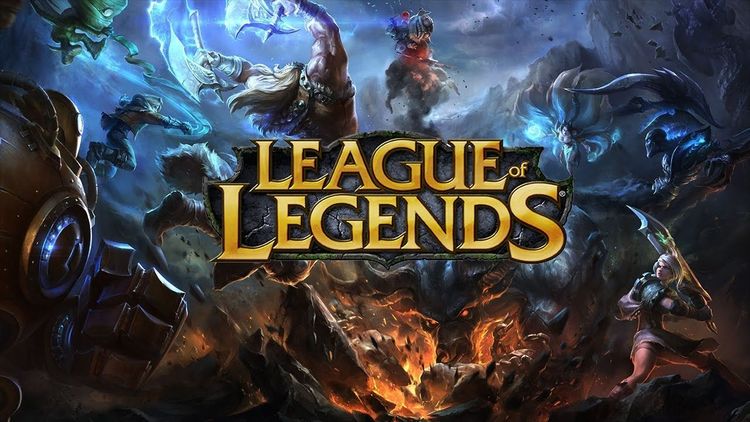
League of Legends Game Introduction
Game background and story of League of Legends
League of Legends is a multiplayer online battle arena (MOBA) game released by Riot Games in 2009, set in a fictional world called “Valoran”. This world consists of multiple countries and forces, each with its own unique culture and history. Its development history was originally inspired by the “Defense Castle” mode of the custom game of “Warcraft 3”, and has since evolved into an independent competitive game.
In the world view of “League of Legends”, the core scene of the game is “Summoner’s Rift”, a map clearly divided into two camps. On this map, players fight with their respective hero characters, and the goal is to destroy the opponent’s crystal. The “summoner” is the player’s avatar in the virtual world, controlling their respective characters to fight. The design of the game allows players to experience strategic teamwork while enjoying the challenge of personal skills.
In this game, the main characters are called “heroes”, and each hero has unique skills and background stories. For example, the famous character “Ahri” is known for her agile movement and charming skills. Her background story involves the theme of loss and pursuit, which has attracted the attention of many players. As the game is updated and expanded, more factions and characters are introduced, making this virtual world more colorful. The relationships between heroes are intricate, with both comrades and opponents, further enhancing the depth and appeal of the game’s storyline.
Overall, “League of Legends” is not only a competitive game, but also a grand narrative covering fierce conflict, human exploration and friendship. Due to the rich story background and character creation, the game has successfully attracted a large number of players and has become one of the most popular e-sports projects in the world.
Game Mechanics and Gameplay Analysis
League of Legends is a multiplayer online battle arena (MOBA) game with teamwork as its core. Its complex game mechanics have attracted millions of players to participate. The core gameplay of the game revolves around the five heroes of each team. These heroes play different roles in the game, such as warriors, mages, assassins, supports and tanks. Each role in the team is different, driving the overall game dynamics.
In the game, the division of roles is crucial. Warriors and tanks usually serve as pioneers and bear the responsibility of taking damage; mages and assassins are responsible for outputting high damage; and support characters help the team by providing vision and healing support. This division of labor makes teamwork the key to victory or defeat, and the cooperation between different characters determines the success or failure of the battle strategy.
The equipment system of the game is also part of its charm. Each hero can enhance his own attributes by purchasing equipment, thereby improving his performance in battle. The choice of equipment not only enhances the specific abilities of the character, but also affects key strategies such as grabbing resources, team battles, and pushing towers. As the season changes, the development team continues to update and balance to ensure the applicability and competitiveness of various equipment and characters, keeping the game fresh and challenging.
By familiarizing and mastering these mechanisms, players can form personalized combat styles, thereby showing their own strategies and skills in competitive games. In short, the game mechanics and gameplay of League of Legends are not only rich and diverse, but also constantly evolving to adapt to the ever-changing game environment and player needs.
The community and culture of League of Legends
Since its launch, “League of Legends” has not only been a popular game, but has also developed into a rich community and cultural phenomenon. Players actively interact and share their experiences and insights in the game through various media such as live broadcasts, video platforms and social media. These platforms provide a space for players to communicate with each other, allowing them to post exciting game clips, tactical analysis and personal game strategies, thereby promoting the dissemination of knowledge and in-depth understanding of the game.
In this huge player community, online activities and offline gatherings also play an important role. Regular community events and competitions not only motivate gamers and improve their competitive level, but also give them the opportunity to meet other people who love this game. Through face-to-face communication, players can share their stories and experiences, strengthen their connections with each other, and form a closer community. Those events and competitions not only show the individual’s technical level, but also create a good and passionate atmosphere for the entire community.
In order to maintain a healthy gaming environment and positive community building, the official and player communities are working hard to promote good behavioral norms. By introducing punitive measures, punishing improper behavior and uncivilized states, promoting positive interactions, and encouraging a friendly spirit of cooperation, the foundation of the gaming environment is laid. At the same time, establishing a diverse and inclusive community culture allows players of different backgrounds and levels to find a sense of belonging and enjoy the fun of “League of Legends” together, further enhancing the appeal and vitality of this game.
Future Development and Challenges
Since its launch, League of Legends has been an important player in the e-sports field. However, in the face of the rapidly changing game market, its future development and challenges cannot be ignored. The rise of new technologies, especially virtual reality (VR) and artificial intelligence (AI), may completely change the experience and expression of games. The introduction of virtual reality can not only enhance the immersion of the game, but also provide players with a more interactive experience, prompting players to enjoy unprecedented fun in the game. Therefore, developers need to pay attention to and adapt to the advancement of these technologies to better meet players’ needs for new experiences.
In addition, the application of artificial intelligence is gradually penetrating all aspects of game design. In the game, AI can enhance the intelligence of non-player characters (NPCs) and make the game environment more vivid and interesting. At the same time, the development team can use AI to analyze players’ behavioral data and then optimize game balance and update frequency according to players’ needs. This innovative approach will help League of Legends maintain its appeal in this highly competitive market.
As players’ needs continue to change, developers also need to continue to innovate to adapt to new game trends and cultural phenomena. The increase in external competitors is also an important factor. The launch of many emerging games has challenged traditional game logic. The rapid changes in the market mean that League of Legends must always stay sharp and discover new preferences of players to avoid being replaced by more innovative games.
Overall, League of Legends will face many challenges in its future development, but through continuous innovation and technological application, this classic game is expected to continue to lead the trend of e-sports. Maintaining its core player base and attracting new players will be the key to success