Overwatch 2 game recommendations
Overwatch 2 Overview
“Overwatch 2” is a sequel launched by Blizzard Entertainment, aiming to provide players with a richer and more diverse gaming experience. As the sequel to “Overwatch”, it not only continues the core gameplay of the previous game, but also makes in-depth innovations in characters, diverse game modes and map design. The game retains the unique team shooting style of the first game, but has made significant improvements in technology and experience.
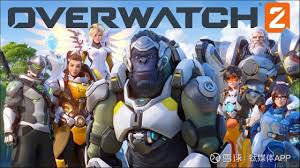
The game introduces several new characters, each with unique skills and styles. The addition of these new characters not only enriches the strategy of the game, but also provides more options for team cooperation. Players need to develop strategies based on different character characteristics to win in fierce confrontations. In addition, Overwatch 2 also redesigned some classic characters and optimized their skills to enable them to play new roles in the team.
In terms of maps, Overwatch 2 has added a variety of new maps, which not only improve the visual effects, but also bring new challenges in terms of game mechanics. For example, some maps are designed with dynamic environmental changes, and players need to adapt to these changes to win. This design makes each game more variable and requires players to have more flexible adaptability.
In terms of game mechanics, Overwatch 2 strengthens the importance of teamwork and encourages players to achieve the best results through communication and collaboration. Compared with the first work, the sequel provides more possibilities in terms of offensive and defensive strategies. Players can respond to the ever-changing battle situation through different lineups and tactical combinations.
In short, Overwatch 2 not only strengthens the original successful elements, but also injects more fresh content, making it a sequel worth looking forward to, attracting the attention of both old and new players.
New characters and character settings
In “Overwatch 2”, a series of new characters have been added to the game. Each character has a unique background story and skill design, which enhances the diversity and strategic depth of the game. These new characters not only enrich the game’s character library, but also provide players with more tactical options. When choosing a role, understanding each character’s backstory can help deepen your understanding of their skills and positioning, so you can play a greater role in teamwork.
For example, the newly added character “Julie” is a sniper with both attack and support capabilities. Her skill set allows her to provide buffs to teammates at long distances while attacking enemy units. Such a role requires players not only to have excellent aiming skills, but also to know when to act as an attacker or a supporter. At the same time, another character “Michael” is a powerful tank that focuses on frontline defense and can spread a large amount of damage to create space for the output characters in the back row. When players choose a character, they need to combine their own game style and team needs to decide the most suitable character.
There is a complementary and restrained relationship between different roles, and a reasonable combination of roles can make up for the weaknesses of the team. For example, when facing a powerful enemy tank, a fast, high-output character can effectively drain the enemy’s health. In a confrontation between characters with strong control skills, characters with strong agility may have a better chance of survival. This strategic choice not only demonstrates the depth of Overwatch 2, but also adds a wealth of fun and challenge to the game. By in-depth understanding of the characteristics of new characters, players can play a better role in the team, thus improving overall competitive performance.
Game modes and gameplay mechanics
“Overwatch 2” continues the tradition of its predecessor in terms of its game mode and gameplay mechanics, while introducing a number of new elements to enhance players’ gaming experience. First of all, PvE missions, as an important part of the new game, provide a cooperative adventure mode with a story as the background. In this mode, players will team up to face different enemies and challenges. Each PvE mission is designed with unique scenarios and goals. Teamwork and strategic deployment have become the key to passing the level. Players need to use their respective hero skills to overcome various obstacles of the enemy to successfully complete the mission.
Secondly, PvP battles are still the core of the game, and players can choose a variety of heroes to compete. Through 5-on-5 team confrontation, players not only need to pay attention to their personal performance, but also need to communicate and coordinate with their teammates to form a synergy. In the PvP mode, the diversity of freely chosen heroes gives players a broad tactical space. Victory conditions often rely on the team’s ability to efficiently control the target point or successfully complete the target mission. In this process, reasonable lineup matching and real-time tactical adjustments play a vital role.
In addition, the cooperative mode encourages players to show friendship and cooperation in online teams. In this mode, players can take advantage of specific mechanisms, such as shared skills and support items, to enhance the overall strength of the team. The cooperation model not only emphasizes individual skills, but also highlights the importance of collective collaboration. Targeted challenges and diverse gameplay mechanisms make every cooperation a fresh experience. Therefore, for players, being familiar with the gameplay mechanics and victory conditions of different modes will undoubtedly enhance their overall gaming enjoyment in Overwatch 2.
Community and future prospects
Since the release of Overwatch 2, an active and diverse player community has quickly formed. In this community, players not only share their gaming experiences, but also actively participate in various discussions and creations. The formation of communities has brought a rich culture to the game, and through social media, forums and live broadcast platforms, players can exchange strategies, share exciting moments and discuss character development and game mechanics.
In addition to daily communication and interaction, e-sports is also an important part of the “Overwatch 2” community. The event attracted a large number of spectators, and the competition between professional teams demonstrated the high level of competitiveness of the game and promoted healthy competition among players. At the same time, the hosting of the event provides a stage for emerging teams to showcase their talents and promotes the prosperity of the entire game ecosystem. As the “Overwatch 2” competition system gradually matures, future competitions will become more normalized, and players will likely have more opportunities to participate and watch.
Regarding the future of the game, the developers have made it clear that they will continue to work on continuous updates and improvements. “Overwatch 2” will introduce new characters, maps and game modes to further enhance players’ immersion. In addition, the development team will actively listen to feedback from the community and continuously optimize the game experience through players’ opinions and suggestions. This kind of interaction between the game and players will inject more vitality into the future of “Overwatch 2” and promote the healthy development of community culture. The team is very optimistic about the future and believes it will bring more new experiences and challenges to players.