The Legend of Zelda game recommendations
History and Development of The Legend of Zelda
Since its first release in 1986, the Zelda series has gradually developed into one of the most influential and fascinating works in the history of video games. The founder of the series, Shigeru Miyamoto, has profoundly influenced the creation of each generation of games with his unique design concept and laid the foundation for innovation in the gaming industry.
The first Zelda game is known for its open game world and exploration elements. Players solve puzzles and search for props in the vast kingdom of Hyrule, creating the basic form of future adventure games. The subsequent Legend of Zelda: Ocarina of Time was launched in 1998, bringing three-dimensional graphics and real-time combat systems. This generation of works not only improved the graphics performance, but also had a delicate storyline and rich character creation, which promoted the development of game narrative.
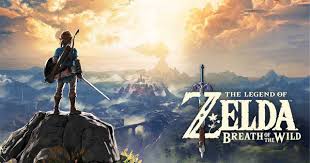
With the advancement of technology, works such as The Legend of Zelda: Wind Waker and The Legend of Zelda: Spirit Tracks have been released one after another, continuing to expand the gameplay of the series and trying a variety of novel game mechanisms and collaborative elements. In 2006, the series launched The Legend of Zelda: Breath of the Wild, which became a benchmark for modern game design with its open-world nature and the introduction of survival mechanics, and had a profound impact on the entire industry.
Shigeru Miyamoto has always guided the design concept of the game throughout the development of the series. He emphasizes the importance of player experience and constantly innovates to enhance the fun and playability of the game. It is these factors that make The Legend of Zelda not only a classic for video game enthusiasts, but also a place in the wider cultural field.
Game Mechanics and Gameplay Analysis
The Legend of Zelda series is known for its diverse game mechanics, which combine multiple elements such as adventure, puzzle solving and combat to form a unique gaming experience. Each work encourages players to explore, find items, solve puzzles and fight enemies in a vast open world. Exploration is the core of this series of games, and players will discover new areas, hidden places and rich storylines during their journey.
The collection and use of items is an important mechanism to enhance player immersion. The Legend of Zelda contains a variety of props, from basic swords and shields to various spells and tools. These props not only promote the progress of the game, but also increase the strategic thinking of players. For example, using a bow and arrow to shoot an enemy, or using a bomb to destroy an obstacle, players need to make a reasonable choice between props and the environment. This interactivity makes every exploration full of freshness.
The classic character and enemy design in the series also played an important role in promoting the game mechanism. The battle between the protagonist Link and the enemy often requires players to flexibly use various strategies, which makes each battle different. Different enemies will show unique attack patterns and weaknesses, which requires players to constantly adjust their combat strategies. While maintaining these classic features, the new work continues to introduce innovative mechanisms to make the game experience richer. For example, the enemy’s AI is strengthened to make them smarter in battle, and more puzzle elements are added to guide players to deal with traditional problems in new ways.
The official website and player feedback also show that the series gradually incorporates new mechanisms while retaining the classic gameplay, making “The Legend of Zelda” not only an iconic game, but also an evolving series that provides continuous appeal to new and old players.
My Zelda Experience
When I first came into contact with the Legend of Zelda series of games, I was attracted by its unique world view and profound storyline. Following the adventure of the character Link, I was not only exploring a fictional kingdom of Hyrule, but also experiencing a profound philosophy of life. The rich story content in the game made me understand the importance of courage, friendship and sacrifice. Every time I completed a task, I felt the emotional resonance between the characters and me.
Especially in The Legend of Zelda: Breath of the Wild, the vast and open game world gave me countless opportunities to explore. I could freely choose the path to move forward, and gradually realized that every exploration carried new discoveries and inspirations. The environment in the game was delicate and full of vitality, which gave me an immersive feeling. I gradually realized that games are not just entertainment, but also a platform for people to reflect on themselves.
In the interaction with other characters, I felt the emotions and stories of different individuals. Whether it was the tenacity of Princess Zelda or the fragility and hope of other NPCs, I could see the shadow of myself in these characters. This resonance not only enhanced my gaming experience, but also gave me a deeper understanding of the challenges in life. Through games, this emotional connection has taught me to appreciate the people around me and reflect on the importance of life.
Overall, my experience with the Legend of Zelda series of games has gone beyond simple entertainment. It has made me constantly reflect on my values and goals during the adventure, and thus have a deeper connection with life. Whether it is every decision in the game or the growth in the virtual world, it has made me more mature in reality.
Future Outlook and Player Community
Since its launch, the Legend of Zelda series has accumulated a large and loyal player base around the world. As the gaming industry continues to develop, players’ expectations for new games and sequels are also rising. Future directions may cover everything from the improvement of technical graphics to the vast exploration of open worlds, which will attract the attention of new and old players. In addition, based on the success of works such as The Legend of Zelda: Breath of the Wild, players are increasingly looking forward to the sequel, and many speculate that there may be a richer world view and innovative game mechanics.
The feedback and response of the player community has played a vital role in this process. Through social media platforms, forums and other channels, players share their needs and expectations. These voices not only influence the decisions of game developers, but also form a unique cultural atmosphere. This is not only feedback, but also an interaction that helps promote communication and cooperation between players.
More importantly, fans actively maintain and inherit the culture of The Legend of Zelda through fan creations, COSPLAY activities and other means. These creations and activities not only show individual creativity and skills, but also convey the charm of this classic work to more people. Whether it is making beautiful game-related artworks or wearing game character costumes in various activities, these deeply reflect the player community’s love and investment in the game.
Through these practices, players not only enjoy the game, but also create a vibrant community, which in turn promotes the future development of the The Legend of Zelda series. Obviously, the enthusiasm and participation of players will continue to inject continuous power into the series’ progress, and look forward to more classics and innovations.